
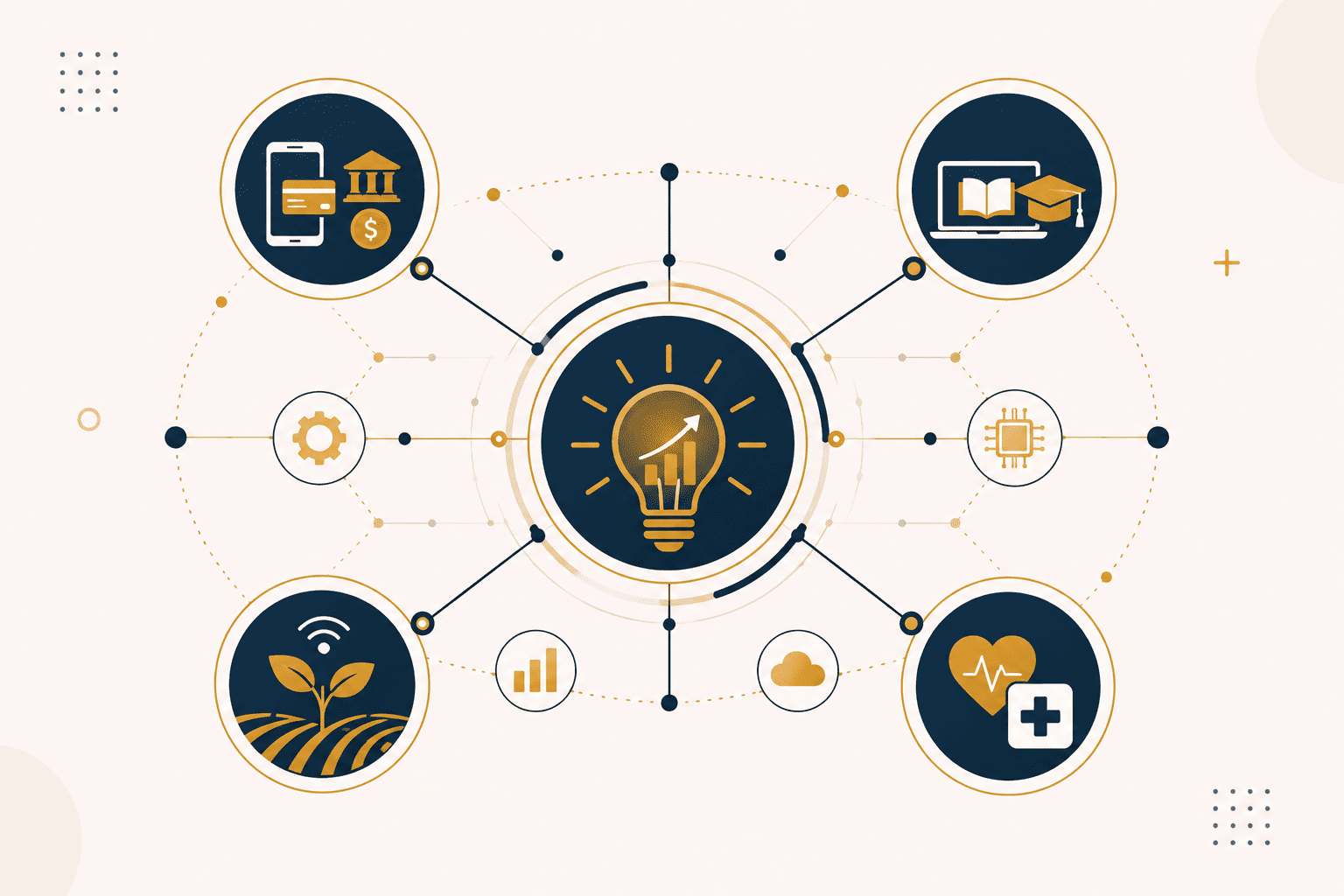
Nigeria's tech ecosystem is growing rapidly, with Lagos and Abuja emerging as major hubs for innovation. This growth is creating significant opportunities for entrepreneurs, investors, and businesses. The ecosystem is not just growing in scale. It is also maturing in sophistication, with startups building products that serve both local and international markets.
The rise of the Nigerian tech ecosystem is not an isolated phenomenon. It is part of a broader pattern of technological innovation across Africa. But Nigeria's scale, talent pool, and entrepreneurial culture make it a particularly important part of the story.
This guide explores the growth of the Nigerian tech ecosystem and the opportunities it presents.
The Growth of the Ecosystem
The Nigerian tech ecosystem has grown significantly over the past decade. Investment in Nigerian startups has increased dramatically. New companies are being founded across a range of sectors. Talent is being developed and retained.
Lagos has become the centre of the ecosystem, with Abuja emerging as a significant hub. The presence of investors, accelerators, and support organisations has created an environment where startups can thrive.
The ecosystem is not just about technology companies. It is also about the businesses that support them. Legal services, accounting, consulting, and other professional services have grown alongside the technology sector.
Key Sectors
Fintech
Financial technology is the largest and most visible sector in the Nigerian tech ecosystem. Nigerian fintech companies are solving real problems in payments, lending, savings, and investment.
The success of fintech has demonstrated that Nigerian companies can build products that serve large markets and attract significant investment.
Edtech
Education technology is a growing sector that addresses the gap in educational access and quality. Edtech companies are building platforms that provide learning opportunities to students across the country.
Agritech
Agriculture is a significant part of the Nigerian economy, and technology is being applied to improve productivity and efficiency in the sector. Agritech companies are connecting farmers to markets, providing information and financing.
Healthtech
Healthcare technology is addressing challenges in access to medical services, supply chain management, and patient records. Healthtech companies are building solutions that improve healthcare delivery.
Opportunities for Businesses
The growth of the tech ecosystem creates opportunities for businesses in several ways.
Access to Talent
The ecosystem is developing a pool of skilled talent. Engineers, designers, product managers, and other professionals are being trained and gaining experience. This talent is available to businesses of all sizes.
Partnership Opportunities
The ecosystem is built on collaboration. Companies in the ecosystem are often open to partnerships. These partnerships can provide access to new markets, technologies, and capabilities.
Investment
The growth of the ecosystem has attracted investment from both local and international sources. Businesses that are part of the ecosystem have access to this investment.
The Role of Diaspora Professionals
Diaspora professionals are playing a significant role in the growth of the Nigerian tech ecosystem. They bring experience, capital, and connections from international markets. They also provide a bridge between the Nigerian ecosystem and global markets.
For diaspora professionals, the growth of the ecosystem creates opportunities to participate in Nigeria's technology sector without being physically present.
Challenges
The growth of the ecosystem has not been without challenges. Infrastructure limitations, regulatory uncertainty, and access to capital continue to be constraints.
The ecosystem is also unevenly distributed. Lagos receives the majority of investment and attention. The growth outside Lagos has been slower.
The Future
The Nigerian tech ecosystem is at an inflection point. The foundations have been built. The next phase is about scaling and maturing.
The companies that succeed in the next phase will be those that build sustainable businesses, solve real problems, and maintain a focus on quality. The opportunities are significant for those who are prepared.
Every business is different. What works for one may not work for another. If you would like to discuss whether the Nigerian tech ecosystem presents opportunities for your specific situation, we are always available for a conversation.

Leave a Comment