In many businesses, client relationships are stored in someone's head or in a folder of receipts. This is a disaster waiting to happen. When relationships are managed informally, they are vulnerable. A person leaves and takes the relationships with them. A file is lost and the information disappears. A follow-up is forgotten and a client feels neglected.
A Customer Relationship Management system, commonly called a CRM, is the solution to this problem. It is a system that tracks all your interactions with clients and prospects, ensuring you never miss a follow-up and helping you provide better service.
This is true whether your clients are local or international, whether you serve individuals or organisations. A CRM is an essential tool for any business that wants to manage relationships professionally.
What is a CRM?
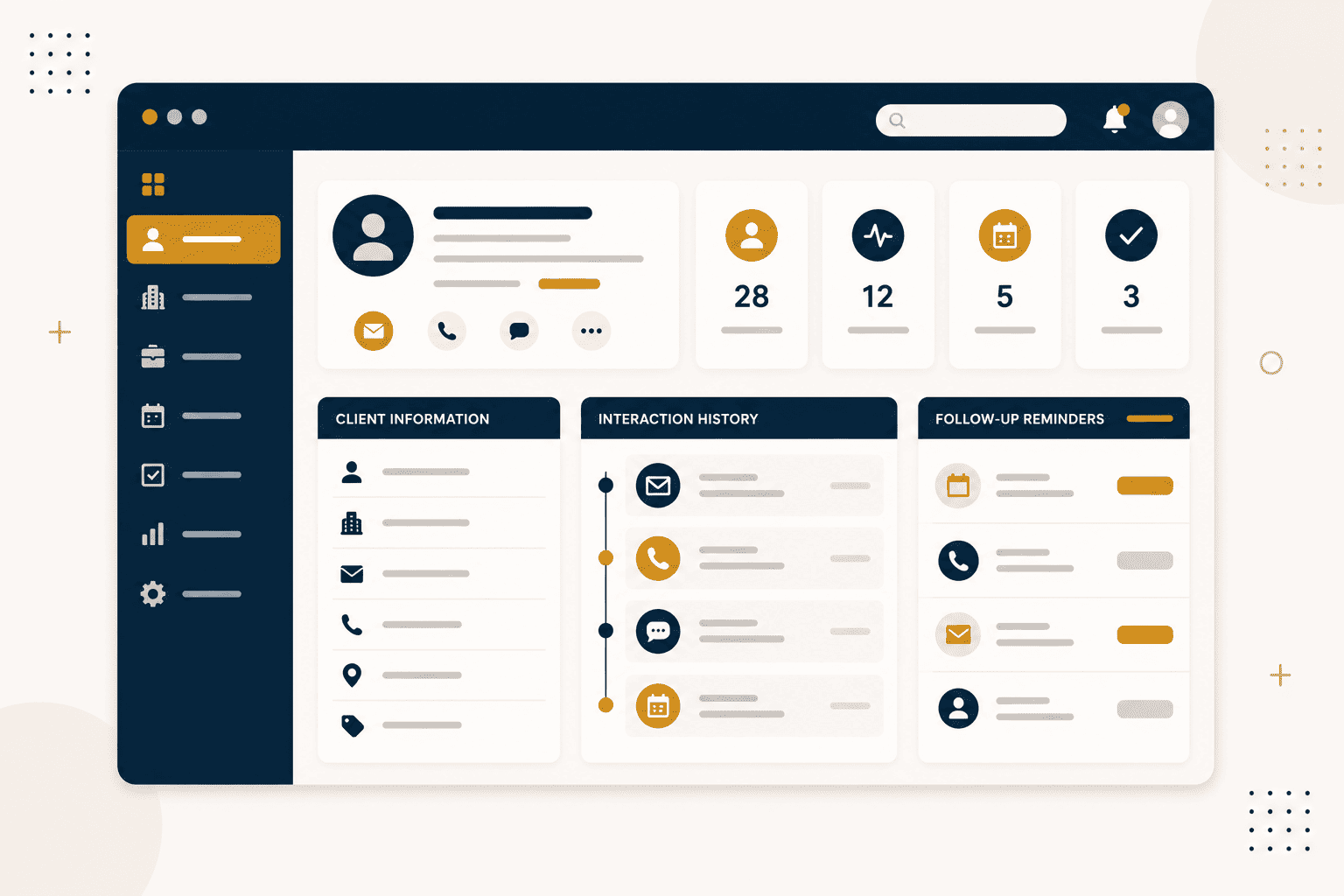
A CRM is a system that stores and organises information about your clients and prospects. It tracks your interactions with them, manages follow-ups, and provides visibility into your relationships.
At its simplest, a CRM is a more intelligent contact list. At its most sophisticated, it is the central system for managing all client-facing activities.
The key features of a CRM include contact management, interaction tracking, follow-up scheduling, and reporting. These features work together to ensure that you never lose track of a relationship.
Why a CRM Matters
The value of a CRM is not just in storing information. It is in ensuring that the information is used effectively.
It Prevents Loss of Information
When information is stored in people's heads, it is vulnerable. If the person leaves, the information leaves with them. If the person forgets, the information is lost.
A CRM stores information centrally. It is not dependent on any single person. The business retains its knowledge even as people come and go.
It Ensures Consistent Follow-Up
Following up with prospects and clients is essential, but it is also easy to forget. A busy week can mean a follow-up is missed. A missed follow-up can mean a lost opportunity.
A CRM schedules follow-ups and reminds you when they are due. It ensures that no one falls through the cracks.
It Improves Client Experience
When you have complete information about a client's history, you can serve them better. You know what they have asked for in the past. You know what they care about. You can anticipate their needs.
A good client experience builds loyalty. Loyalty leads to repeat business and referrals. A CRM is a foundation for this positive experience.
It Provides Visibility
A CRM gives you visibility into your pipeline and your relationships. You can see which prospects are active, which clients have been contacted recently, and which relationships need attention.
This visibility enables better decision-making. You can focus your efforts where they are most needed.
The Cost of Not Having a CRM
The cost of not having a CRM is not always obvious, but it is real.
Relationships are lost when people leave. Opportunities are missed when follow-ups are forgotten. Clients are neglected when their history is not accessible.
The cumulative effect of these losses is significant. A business without a CRM is a business that is not managing its relationships effectively.
Choosing a CRM
The right CRM for your business depends on your needs and your scale. There are simple tools that are appropriate for small businesses and complex tools for larger organisations.
The most important consideration is that the CRM is used consistently. A sophisticated CRM that is not used is less valuable than a simple CRM that is used well.
Getting Started
Implementing a CRM is a straightforward process. Choose a tool that fits your business. Migrate your existing contact information. Establish a routine for recording interactions and scheduling follow-ups.
The businesses that succeed with CRM are those that make it part of their workflow. They record interactions consistently. They follow up on time. They use the information the system provides.
Every business is different. What works for one may not work for another. If you would like to discuss whether a CRM system could work for your specific situation, we are always available for a conversation.

Leave a Comment